Nuclear energy is back at the center of global energy debates, driven by decarbonization goals, geopolitical instability, and the search for reliable clean power. In an in-depth interview with NewsEnergy, Jacopo Buongiorno, Professor of Nuclear Science and Engineering at MIT and a leading international expert on advanced nuclear technologies, explains what is truly behind nuclear’s renewed momentum, why Small Modular Reactors (SMRs) are not a silver bullet, and how fuel supply chains and geopolitics could shape the future of nuclear deployment in Europe, the United States, and beyond.
While financing and workforce shortages remain critical constraints, Professor Buongiorno argues that supply chains and fuel availability are the least prepared — and potentially most underestimated — risks.
Read the full interview below:

Jacopo Buongiorno – Professor of Nuclear Science and Engineering at the MIT, Director of the Center for Advanced Nuclear Energy Systems (CANES)
NewsEnergy: Professor Buongiorno, what is driving the global resurgence of nuclear energy — and what could slow it down?
Jacopo Buongiorno: It’s a great broad picture question. Support for nuclear energy has been growing steadily over the past five to six years. What brought nuclear back into the conversation was first and foremost the need to decarbonize the energy system — in the U.S., in Europe, and globally.
Even though U.S. climate policy has fluctuated, support for nuclear has not disappeared. Beyond emissions reduction, nuclear plays a key role in energy security and represents a significant economic opportunity, particularly for countries with existing nuclear industries.
So, I would say energy security, climate goals and economic opportunity are the three elements that have brought back nuclear into the discussion.
At the same time, there are three challenges that could slow progress. Certainly, I’m speaking primarily about the U.S., but to an extent, these are true also in Europe. The first is supply chains. Ambitions such as tripling global nuclear capacity, as pledged by several countries at COP28, require a much larger and more capable industrial supply chain than currently exists in Western countries.
The second challenge is financing. New nuclear plants require investments of several billion dollars per reactor — often between €5–10 billion. That capital has to come from somewhere.
The third challenge is workforce. To build the plants, you also need a workforce that is qualified. And while we have very capable, qualified operators to run the existing plants, we don’t have enough people to build dozens and dozens of new plants. That workforce has to also be developed.
SMRs reduce financial risk — not electricity costs
NewsEnergy: How do you see the role of the next generation nuclear technologies, especially SMRs, within future net-zero energy systems dominated by renewables?
Jacopo Buongiorno: SMR is a little bit of a misnomer. It simply means reactors that are smaller than traditional large plants (typically 100–300 MW instead of around 1 GW) and designed for modular, factory-based construction.
SMRs are not necessarily “next-generation” technologies. The most realistic SMR pathway is actually a scaled-down version of traditional light-water reactors.
Having said that, within the broader category of SMRs, there are also advanced reactors that use coolants other than water. In this sense, SMR is a catch-all term that includes a wide range of different technologies.
The main value proposition of SMRs is risk reduction. Being a little bit smaller, a little bit simpler, they should cost less money and take less time to build. And so, in terms of uncertainties around the investment and the size of the investment, this would be more beneficial or more attractive than the traditional large-scale reactors. But this should not suggest that the small modular reactors will produce energy at lower cost. In fact, quite the opposite. In absolute terms, they’ll cost less money. But when you look at dollars or euros per megawatt hour, so per unit of energy generated, usually the smaller reactors will be more expensive.
This means SMRs are unlikely to compete in fully commoditized electricity markets. Their strongest potential lies in non-commodity applications, such as industrial heat for chemical plants, power and heat for data centers, other industrial or captive users willing to pay a premium for reliability and decarbonization.
It’s a possible solution to the fact that many customers are not willing to spend, let’s say, $10 billion on a project, but they may be willing to spend $3 billion. So, it’s a way to reduce the financial risk of the projects, not necessarily to get cheaper electricity.
NewsEnergy: Why is electricity from SMRs more expensive per MWh?
Jacopo Buongiorno: The reason is economies of scale. Costs do not increase linearly with size. A reactor producing ten times more power does not cost ten times more to build – it might cost five times more.
So, it’s about scaling. Larger machines are always more cost-efficient than smaller machines.
NewsEnergy: Which SMR projects are most advanced today?
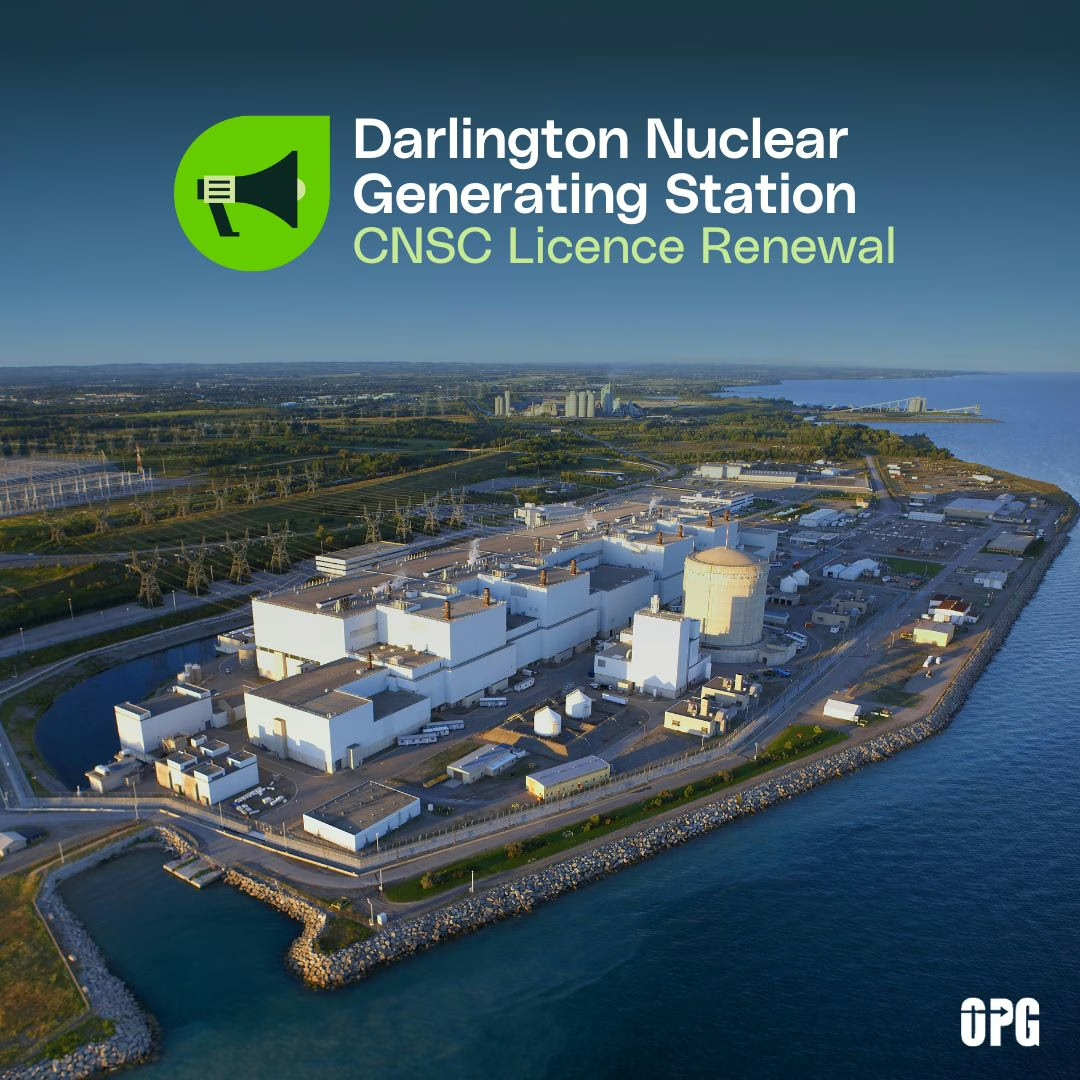
Photo credit: https://www.facebook.com/OntarioPowerGeneration
Jacopo Buongiorno: In North America, three projects stand out. The most advanced project currently underway is the SMR project in Canada, located near Toronto at the Darlington site. The owner is Ontario Power Generation (OPG), a large electric utility with decades of nuclear operating experience. OPG already operates multiple nuclear units and is building four GE Hitachi BWRX-300 SMRs. This American–Japanese reactor design is being deployed in Canada and is currently on track to be connected to the grid by 2030.
The other SMR project that appears to be moving forward in North America is led by X-energy, which is developing a high-temperature gas-cooled reactor. It is a very different technology, but it still falls under the SMR category. The project involves four units potentially under construction at a site called Seadrift, on the Gulf Coast of Texas. These reactors are intended to provide both heat and electricity to a large Dow Chemical plant. Dow Chemical, one of the world’s largest chemical companies, decided several years ago to fully decarbonize this facility. Because chemical plants require not only electricity but also heat, nuclear reactors offer a way to supply both.
The third project is led by Bill Gates’ company, TerraPower, which is building its first reactor in Wyoming. The design is a sodium-cooled fast reactor. This means that three different reactor technologies are currently under construction. Both the TerraPower reactor and the X-energy reactor planned for Dow Chemical are, on paper, expected to be operational by 2030, but few observers believe this timeline will hold. Most expect delays of several years. In both cases, the reactors rely on advanced fuel forms — such as TRISO fuel or metallic fuel — which are not yet readily available, creating additional fuel supply challenges.
Fuel supply chains: the underestimated bottleneck
NewsEnergy: What about the constraints that you see as most critical today? And how realistic is true mass production for SMRs, which promise lower costs from modular factory-based manufacturing?
Jacopo Buongiorno: I have already mentioned three broad challenges that apply to both small and large reactors: supply chains, financing, and workforce. For SMRs in particular, an additional issue arises when they rely on new fuel forms rather than the traditional uranium dioxide (UO₂) pellets in conventional fuel assemblies that have been used for decades. Any deviation from this standard raises questions about where the fuel will come from and at what cost. Fuel availability and cost are therefore an issue for some — though not all — SMR designs.
The underlying idea behind SMRs is that costs would eventually decline through large-scale production. Much like consumer electronics, producing only a handful of units keeps costs high, while mass production allows prices to fall. However, reaching this cost and learning curve requires specialized factories capable of manufacturing reactors at scale. These factories do not yet exist and would need to be built.
Such investments are difficult to justify without a firm order book — without confidence that a sufficient number of reactors will be sold. This creates a classic chicken-and-egg problem: customers are reluctant to commit until prices fall, but prices cannot fall until manufacturing capacity is in place. As a result, the first SMR units, even though smaller, are likely to be expensive.
NewsEnergy: Talking about cost, scalability and investor confidence, are there any lessons that industry and policymakers can draw from the cancellation of the NuScale project in Idaho?
Jacopo Buongiorno: There are dozens of lessons to be learned from many problematic nuclear projects in the U.S. and Europe over the past 15 years. I have personally worked on analyzing these projects, alongside many others, and the findings are well documented in numerous reports. These lessons include the need for better integration between technology developers and supply chains, completing detailed designs before construction begins, and ensuring supply chain readiness.
There is a lot of information out there. The real question is whether upcoming projects will actually apply these lessons. If the same mistakes are repeated, the outcome is likely to be familiar: cost overruns and schedule delays. So, it would be pretty bad news.
Let’s hope they read, listen to, and understand all those lessons — and apply them to their projects.
Advanced fuels and geopolitical exposure
NewsEnergy: Earlier you mentioned challenges related to the global nuclear fuel market. When it comes to fuel, are some reactor designs inherently more geopolitically secure than others?
Jacopo Buongiorno: Yes. Let me start with the basics. Nuclear fuel is made from uranium, which is a mined commodity traded on a global market. Today, uranium supply comes primarily from Kazakhstan, Canada, and Australia, with additional production in countries such as Namibia. From a resource perspective, uranium availability is not a concern — we are not going to run out of uranium. The real issue is maintaining a reliable and diversified mining industry that can supply the global market.
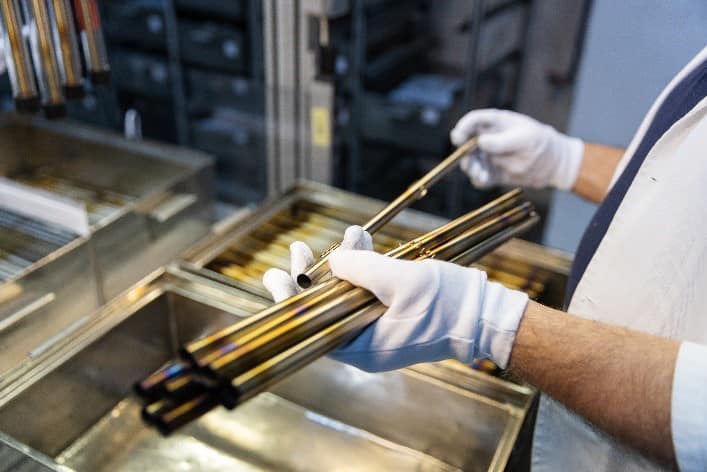
Photo credit: Nuclearelectrica
However, natural uranium cannot be used directly in reactors. It must first be enriched. In the United States and, to some extent, in Europe, we have underinvested in uranium enrichment for decades. As a result, we do not have enrichment capacity that is consistent with the plans and ambitions for expanding nuclear power. Why? Because for several decades we relied heavily on Russia for enrichment services, a dependency that has now become untenable. There is a clear political objective to remove Russian suppliers from the fuel cycle for reactors in the U.S. and Europe.
Of course, since the reactors have to continue to run, someone’s got to supply that enriched uranium. And the investments are made now.
Now, to answer your question: are some reactor designs more or less geopolitically safe? There are, because clearly, if a reactor requires higher-enriched fuel — say around 20%, compared with the more common 5% — it places greater demands on enrichment capacity, which makes it more vulnerable given current constraints. By contrast, reactors that use standard 5% enriched uranium, such as light-water reactors (PWRs and BWRs), are much safer in that sense than reactors that require 20% enrichment.
Similarly, the issue is not only enrichment. Once uranium is enriched, it must also be fabricated into the appropriate physical and chemical form. This can be conventional uranium dioxide fuel, metallic fuel, or TRISO fuel. Uranium dioxide pellets, which have been used for decades, are the cheapest option and benefit from a global supply chain, meaning they are readily available. By contrast, for TRISO or metallic fuels, a comparable supply chain does not yet exist. As a result, from a geopolitical perspective, reactors relying on these fuels are more dependent on the limited suppliers currently able to provide them.
This has been a long answer, but it is an important question.
Micro-reactors: promising, niche solutions — and coming soon
NewsEnergy: We were talking about small nuclear reactors, but what about the micro-reactors for off-grid uses and potentially for powering large data centers? How feasible is this vision, especially in the context of rapidly growing AI-driven energy demand?
Jacopo Buongiorno: I’m not an expert in AI or data centers, but what I’ve learned is that most data centers require very large amounts of electricity. In those cases, it probably makes more sense to couple them with small modular or large reactors rather than micro-reactors.
That said, data centers aside, micro-reactors are already being tested and developed. In the United States, the most likely early applications are within the Department of Defense, and possibly NASA. The Department of Defense, in particular, has been quite proactive in requesting micro-reactors for small, off-grid bases that currently rely on diesel generators.
I think micro-reactors are coming and may even be deployed sooner than SMRs, simply because they are much simpler to build, at least as first-of-a-kind systems. However, they are likely to remain niche solutions, suited to remote communities, mining sites, or military bases.
When it comes to data centers, it ultimately depends on their size. Smaller data centers could potentially be powered by a micro-reactor. But for facilities requiring around 200 MW, deploying multiple micro-reactors would not make sense — a larger reactor would be a more practical option.
NewsEnergy: Thank you very much. I’d like to move on to the next question, as I’m particularly interested in your research. MIT is deeply involved in cutting-edge nuclear research, from fusion projects such as SPARC to advanced reactor systems and new approaches to materials and fuel cycles. Which developments do you find most promising at this stage?
Jacopo Buongiorno: I should clarify that I do not work on fusion myself — although there are, of course, colleagues at MIT who do. I don’t want to speak on behalf of the Institute as a whole, so I’ll speak from my own perspective.
I have been working on micro-reactors for quite some time, both on technology development and on regulatory aspects that are specific to these systems. For example, deploying a micro-reactor within a town raises very different licensing questions than placing one in a remote location, particularly when it comes to emergency planning zones in the event of an accident.
I also work on security-related issues for micro-reactors, including how to secure a small site without imposing an excessive economic burden. You cannot afford to deploy dozens of armed guards, but the site must still be secure.
Another area I have worked on is the transportation of micro-reactors. These systems are intended to be ‘plug-and-play’: manufactured in a factory and then transported to the site. That raises important questions about how to safely transport a fueled reactor. All of this is very promising. As I mentioned earlier, I believe micro-reactors will become a reality soon. Initially, they will certainly be deployed only in niche, small-scale applications, but we will see how this evolves.
NewsEnergy: How soon?
Jacopo Buongiorno: Before the end of the decade. As I mentioned earlier, at least in the United States, I expect micro-reactors to become a reality before SMRs. This is largely because development is currently being driven by the Department of Defense, which is committing significant funding. I believe this will materialize.
Beyond that, we also work on developing improved methodologies for reactor analysis and design. This is an area that consistently adds value, by enabling more efficient ways of designing and analyzing nuclear energy systems.
What would make Romania a credible SMR training hub
NewsEnergy: I’d like to turn to Romania now. How do you assess the maturity and capabilities of Romania’s nuclear sector?
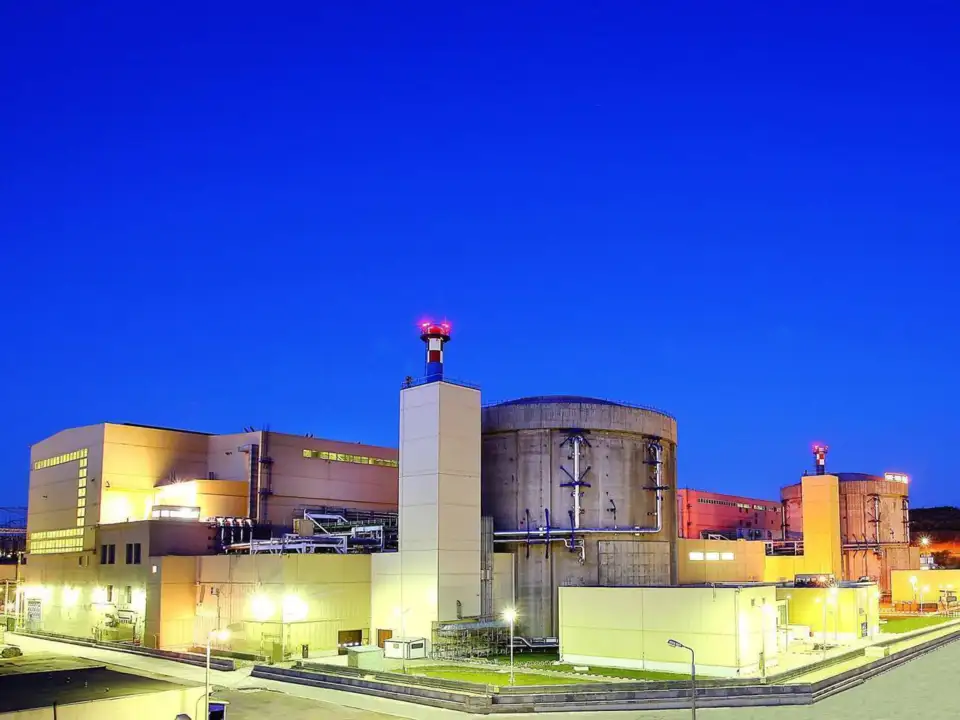
Cernavoda nuclear power plant – Photo credit: Nuclearelectrica
Jacopo Buongiorno: I would say relatively good. Romania has been using nuclear power for several decades, particularly at the Cernavodă site, so there is significant accumulated experience. There are also plans to expand further, including completing additional CANDU units at Cernavodă and potentially developing an SMR project in Romania. The interest is clearly there, and so is the experience.
The challenges I mentioned earlier apply fully to Romania as well. Financing will be a major issue. Romania is not among the wealthiest countries, and nuclear projects costing tens of billions of dollars will require external support, whether from the European Union or international investors. I would be very surprised if the Romanian government could simply finance such projects on its own.
Workforce is another consideration. I do not have enough detailed information to assess how difficult it will be to find the necessary workforce in Romania. Overall, however, my impression is positive. Romania has a long track record in nuclear energy.
NewsEnergy: Romania aims to become a regional SMR training hub. What should such a hub provide in order to be truly competitive and valuable to the international nuclear community?
Jacopo Buongiorno: So, the ambition is to catalyze interest in SMRs across Europe? I’m not entirely sure — is this a stated objective of the government?
NewsEnergy: Yes, and of Nuclearelectrica.
Jacopo Buongiorno: In that case, I think what would make this ambition realistic is for Romania to actually deploy and build a few SMRs early on.
There is a lot of excitement around SMRs, but the key question is who will cross the finish line first. Who will build the first? If Romania were among the first or second countries to do so, that experience would carry significant weight. Others would be able to learn a lot from that experience, which would make the idea of a training hub credible.
Fusion: promising, but not policy-ready
NewsEnergy: Fusion is still perceived as the energy of the future, but the timeline remains uncertain. What do you see as a realistic trajectory for fusion over the next two decades and what are the main barriers between experimental fusion and commercial deployment?
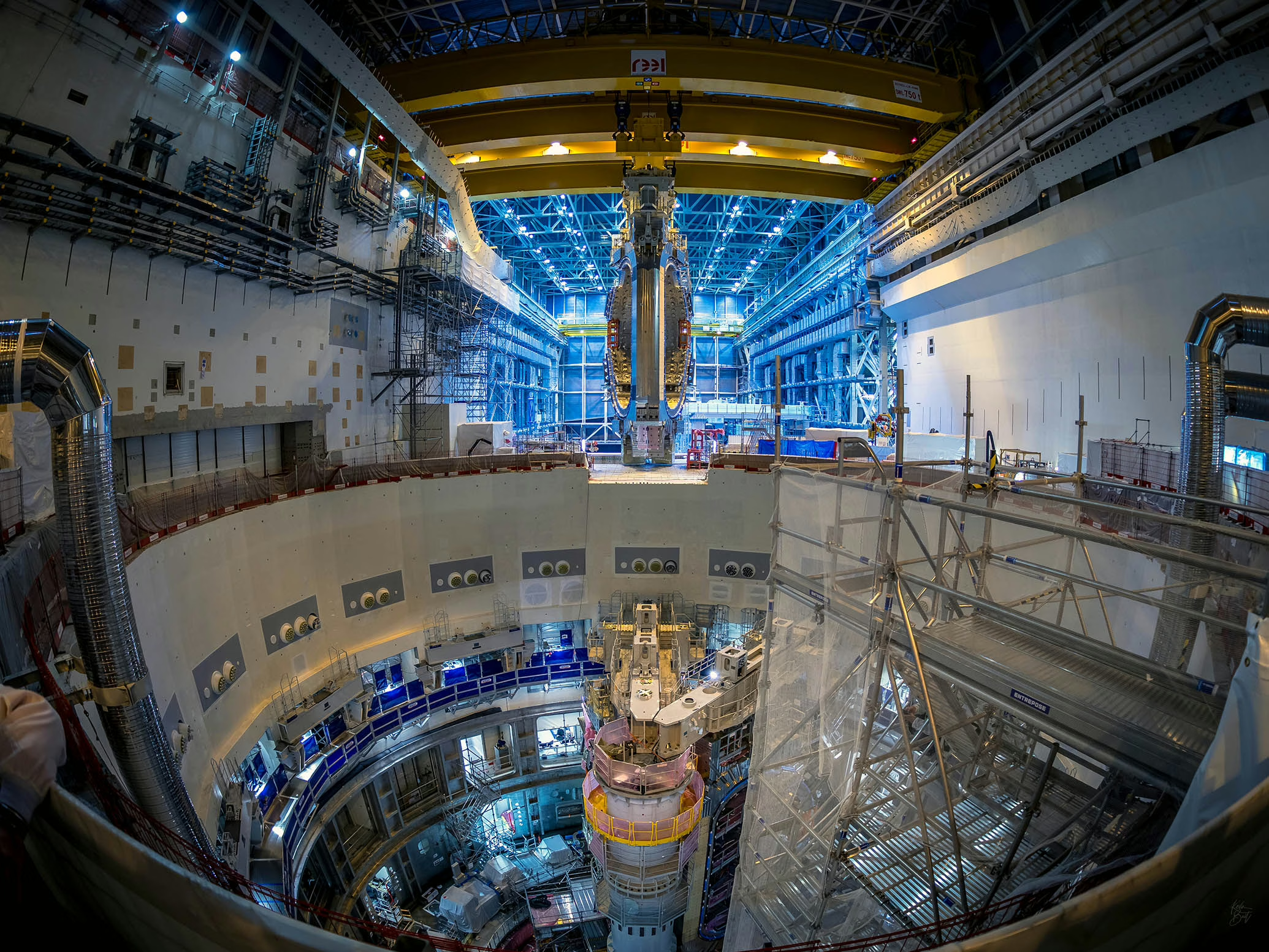
The third of nine modules required to form the ITER plasma chamber is installed in the tokamak assembly pit on 24-25 November 2025 – Photo credit: Iter.org
Jacopo Buongiorno: I am not a fusion expert, and my colleagues who work in fusion are generally more optimistic than I am. However, the timelines currently being advertised seem completely unrealistic to me. I recently visited ITER, the large fusion project under construction in France, and the target there is the mid-2040s for the facility to become fully operational. That gives you a sense of the scale of the challenge: roughly twenty years to reach the first full-scale demonstration — not even a commercial fusion power plant.
If you listen to private companies, some suggest that fusion reactors will be operating very soon. The reality is likely somewhere in between. However, there are still very serious engineering challenges, particularly related to materials that must withstand extreme temperatures and intense radiation.
There are also unresolved issues related to fuel availability and sustainability. Fusion relies on deuterium, which is naturally abundant, and tritium, which is artificial and must be produced. There is currently limited availability of tritium, and key questions remain about how to produce it and at what rate to sustain a fusion system.
These remain big open questions. Until these issues are resolved, it is difficult to rely on fusion when planning national energy policy. We can hope that fusion will eventually become available, but we cannot count on it. If it becomes viable, we will use it. Until then, it cannot be assumed as part of an energy strategy.
‘I was drawn to the charms of a challenging discipline’
NewsEnergy: The final question is on a more personal note: what inspired you to dedicate your career to nuclear science, and what continues to motivate you in a field that is both complex and sometimes controversial?
Jacopo Buongiorno: Well, what inspired me to begin with was 40 years ago. So, it was a very long time ago.
I would say what truly attracted me were the charms of a very challenging engineering discipline. I was not drawn to a ‘plain vanilla’ field, such as mechanical or civil engineering. I wanted something that would be a little bit more… challenging. And nuclear engineering certainly fit the bill.
What continues to inspire me, and this is clear to anyone who looks closely at the field, is the enormous potential of nuclear energy to address humanity’s energy needs and related challenges. That remains true today, and it is what keeps me going in many ways.
SHORT BIO
Jacopo Buongiorno is the Battelle Energy Alliance Professor of Nuclear Science and Engineering at the Massachusetts Institute of Technology (MIT), and a member of the U.S. National Academy of Engineering. He is also the Director of Science and Technology of the MIT Nuclear Reactor Laboratory and the Director of the Center for Advanced Nuclear Energy Systems (CANES). Jacopo teaches a variety of courses in thermo-fluids and nuclear reactor engineering. He has published >110 journal articles in the areas of reactor safety and design, two-phase flow and heat transfer, and nanofluid technology. For his research work and his teaching he won several awards, among which an ANS Presidential Citation (2022), the MIT MacVicar Faculty Fellowship (2014), the ANS Landis Young Member Engineering Achievement Award (2011), the ASME Heat Transfer Best Paper Award (2008), and the ANS Mark Mills Award (2001). In 2016-2018 he led the MIT study on the Future of Nuclear Energy in a Carbon-Constrained World. Jacopo is a consultant for the nuclear industry in the area of reactor thermal-hydraulics, a member of the Accrediting Board of the National Academy of Nuclear Training, a Fellow of the American Nuclear Society (including service on its Special Committee on Fukushima in 2011-2012), a member of the American Society of Mechanical Engineers, past member of the Naval Studies Board (2017-2019), past member of the Secretary of Energy Advisory Board Space Working Group, and a participant in the Defense Science Study Group (2014-2015).
(Main photo credit: AEI)
READ ALSO:
Reclaiming energy sovereignty: the EU’s strategic response to a fragmented global order