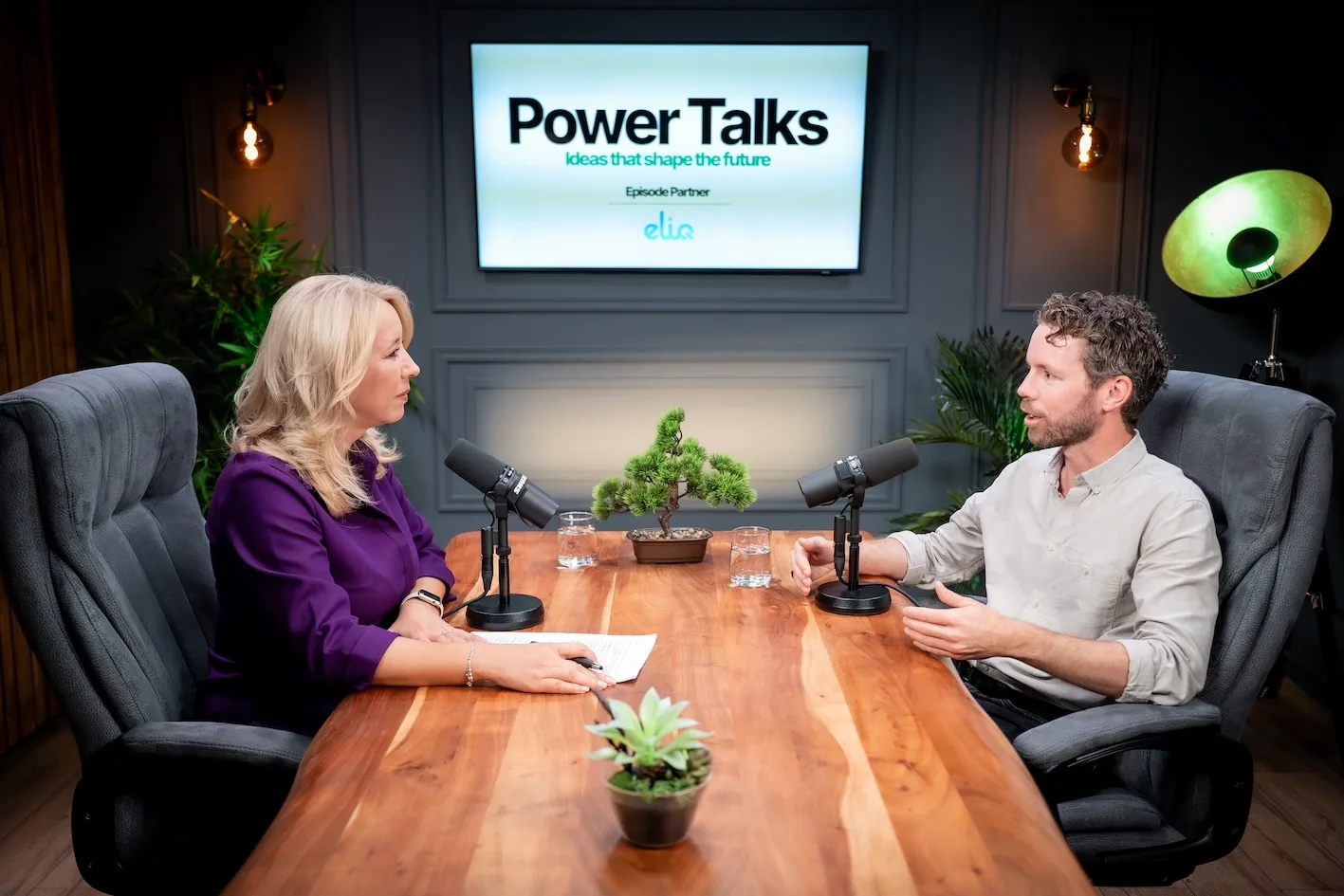
Smart energy services currently reach only around 6% of European consumers, but the market could triple by 2030. In a Power Talks interview, Eliq CEO and co-founder Håkan Ludvigson explains how artificial intelligence could turn smart meter data into lower bills, personalised advice and homes that automatically use energy when it is cheaper and cleaner.
Europe has installed millions of smart meters, yet many consumers receive little more from them than an automatically generated bill.
For Håkan Ludvigson, CEO and co-founder of Swedish energy-tech company Eliq, a meter cannot truly be considered smart unless the information it collects becomes useful to the customer.
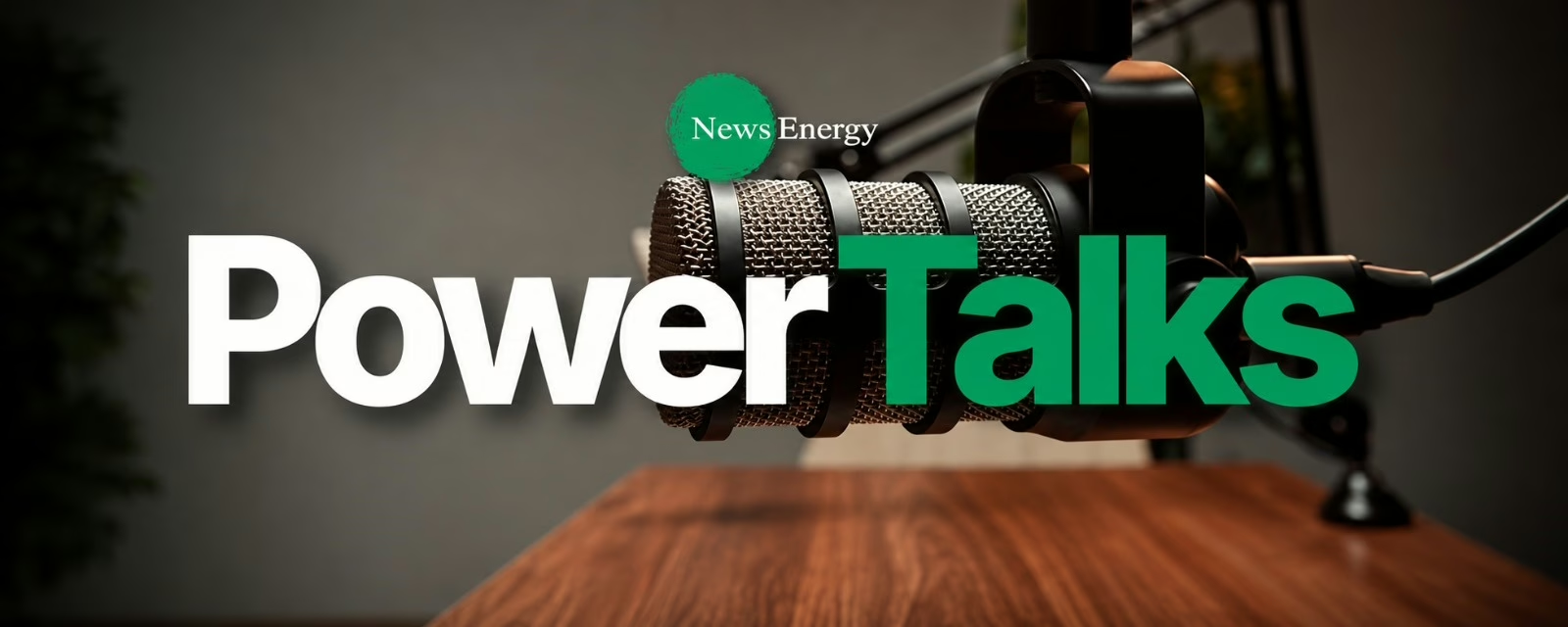
“It really isn’t a smart meter if all it does is make the bill reading automatic,” he said in an interview for Power Talks – Leaders of the Energy Transition.
Eliq works with energy retailers to transform electricity and gas consumption data into personalised insights, recommendations and digital services. The company’s ambition is to make smart and sustainable energy choices “as simple as shopping on Amazon”.
Behind that apparently simple promise lies a much broader transformation. Energy companies are beginning to move beyond selling kilowatt-hours and sending bills. Increasingly, they are expected to help customers understand, optimise and eventually automate the way they use energy.
The missing link between data and action
When smart meters first began to be deployed in Sweden and other European markets, they created an unprecedented volume of information about household energy consumption. But that information did not automatically translate into better decisions.
Eliq was founded more than a decade ago to address this gap.
“We set out originally to help utility companies build better products for their customers,” Ludvigson explained.
“There was now an amount of data being collected about how we use energy in our homes, but none of that actually materialised in terms of tools to help end customers deal with their consumption.”
Simply showing people how many kilowatt-hours they used yesterday or during the previous month has limited value. A small proportion of consumers may enjoy analysing the figures and challenging themselves to improve. For most people, however, a kilowatt-hour remains an abstract concept.
What matters is the meaning behind the number: which appliance consumed the electricity, whether the consumption was unusual, what caused the bill to increase and what the customer could do differently.
A smart meter typically records a household’s total electricity consumption at intervals of 15 or 30 minutes. By combining this information with weather data, energy market prices and machine-learning algorithms, energy platforms can identify consumption patterns and estimate how different appliances are being used.
Ludvigson compared the process with the way artificial intelligence analyses an audio recording.
“Even from one microphone, AI can distinguish the different speakers and the different words,” he said. “It is the same type of technology. From one electricity consumption signal, we can identify specific appliances, categorize them and determine, for example, the size of a charger.”
The result could be an alert telling a customer that an appliance was left running overnight, that a car is charging during the most expensive hours or that energy consumption is significantly higher than usual.
Could buying solar become as simple as shopping online?
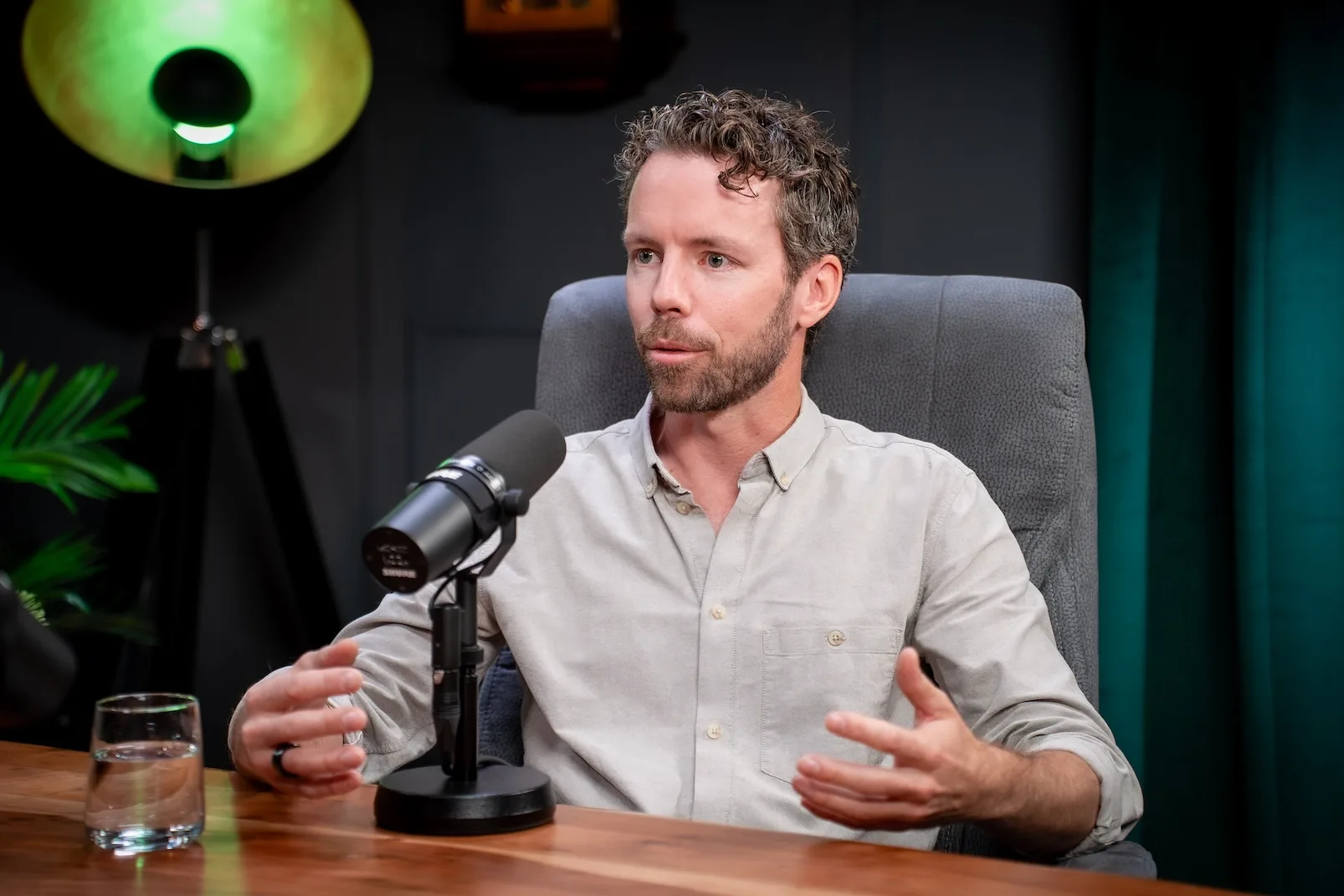
Håkan Ludvigson, CEO and cofounder Eliq, at Power Talks
Installing rooftop solar panels, a home battery, insulation or a heat pump can generate significant savings. Yet the decision remains complicated for most households.
Consumers have to compare technologies, calculate the appropriate size of the system, estimate self-consumption, understand financing options and decide whether the promised savings justify the investment.
Amazon succeeded in removing much of the friction involved in an online purchase. Eliq wants energy companies to offer customers a similarly simple experience.
“If buying a solar system, a battery or insulation for your home were as simple as saying: «If I click this button, I will start saving money tomorrow», everybody would do it,” Ludvigson said.
Energy data can help determine which technology is suitable for a particular home, what savings it could deliver and which electricity tariff would work best. The objective is not merely to present customers with more information, but to translate complex technical and financial calculations into an easy decision.
One British project using Eliq’s technology provides households with personalised recommendations based on their consumption and the characteristics of their homes. A proposed package may include solar panels and a battery, together with embedded financing.
Instead of paying thousands of pounds upfront, the customer pays a monthly instalment designed to remain below the estimated savings on the energy bill. In principle, the household can begin saving from the first day without making a large initial investment or assuming the full financial risk.
This type of model could make the energy transition more tangible and accessible to households that might otherwise be unable or unwilling to invest.
How much can consumers save?
The financial benefit depends on the technology, tariff and individual consumption profile.
According to Ludvigson, recommendations, greater awareness and behavioural changes can typically help consumers save around 6–8% on their energy costs, with savings reaching approximately 9% in some cases. Technologies such as smart charging can deliver substantially larger benefits, potentially worth hundreds of euros per year for an electric vehicle owner.
But lower consumption is only part of the value. Digital energy tools can also give customers greater predictability and protect them from unexpected bills. An application can monitor how consumption is developing, estimate the next bill and send a warning before costs become unmanageable.
“Having proactive information – «This is how you are tracking; your usage has increased and your next bill is projected at this level»—helps with the pain and frustration that come from receiving a surprisingly high bill,” Ludvigson said.
For a household, this creates greater peace of mind and predictibility. For an energy company, it can result in fewer complaints, fewer calls to customer service and a stronger relationship with the customer.
Smart energy retail could triple by 2030
Eliq estimates that smart energy retail currently accounts for approximately 6% of the European market.
The category includes customers using time-varying tariffs and actively managing their consumption, increasingly with the help of connected electric vehicles, heat pumps, solar systems and batteries.
The market could roughly triple by 2030, driven by two developments taking place in parallel: the continued rollout of smart meters and the rapid adoption of connected energy assets.
This expansion is also changing the economics of energy retail. For decades, suppliers primarily bought electricity and gas, sold them to customers and issued bills. In the emerging market, selling the commodity is only one part of the business.
As renewable generation grows and electricity consumption becomes harder to predict, suppliers must manage increasingly complex balancing costs. Companies able to coordinate thousands of electric vehicles, batteries or heat pumps can shift demand away from expensive periods and operate more competitively.
- Energy retailers are therefore evolving towards home energy management, flexibility services, personalised tariffs and digital optimisation.
According to Ludvigson, this transition will become a competitive necessity rather than an optional service.
Dynamic tariffs need automation
Dynamic electricity tariffs reflect changes in wholesale prices, sometimes at intervals of only 15 minutes. They can allow customers to benefit from periods when electricity is abundant, inexpensive or even negatively priced.
But price signals alone do not necessarily create a good customer experience.
“If all you have is a price that goes up and down, what are you supposed to do? Look at your phone every day and plan when to run your laundry?” Ludvigson asked.
Most consumers will not continuously monitor electricity prices or reorganize their daily lives around the energy market. Dynamic tariffs become genuinely useful when connected devices can respond automatically.
An electric vehicle could be plugged in when its owner arrives home but delay charging until 3 a.m., when electricity is less expensive. Alternatively, it could charge in the middle of the day when rooftop solar production exceeds household consumption.
The customer would establish general preferences—such as when the vehicle must be ready—and the technology would make the routine decisions in the background.
Automation could therefore transform flexibility from a task imposed on consumers into a largely invisible service.
It could also benefit suppliers and the wider electricity system. An electric vehicle charging at 6 p.m. under a fixed-price contract creates additional costs during the evening peak. Shifting the same consumption to a less congested period can reduce costs and help balance the grid.
SMEs remain the „neglected middle child” of energy retail
The benefits of smart energy services are not limited to households. Small and medium-sized enterprises are described by Eliq as the “neglected middle child” of energy retail. Large industrial consumers have energy managers, account managers and specialised hardware and software. Small companies often lack the time, expertise and tools required to understand their consumption.
At the same time, SMEs are much more diverse than households. A restaurant, hair salon, shop and office have very different consumption patterns, operating hours and equipment. This makes them difficult to serve through standardised mass-market products.
Machine learning could enable energy companies to provide personalisation at scale, without building an entirely different service for every business. The solution does not necessarily have to be a sophisticated dashboard.
“For a small business, you are not going to get them to use a dashboard with lots of advanced tools,” Ludvigson said. “You need to grab their attention and make it very simple and easy to digest.”
An alert about an unexpectedly high bill, a consumption forecast or a short list of practical recommendations may be more valuable than access to a complex analytics platform.
The issue is particularly relevant when energy costs represent a significant part of a company’s profit. During his visit to Bucharest, Ludvigson spoke with a coffee-shop operator whose energy bill had increased to a level comparable to the business’s net profit. Even a modest improvement in efficiency could therefore have a material impact on its financial performance.
Why would a supplier help customers consume less?
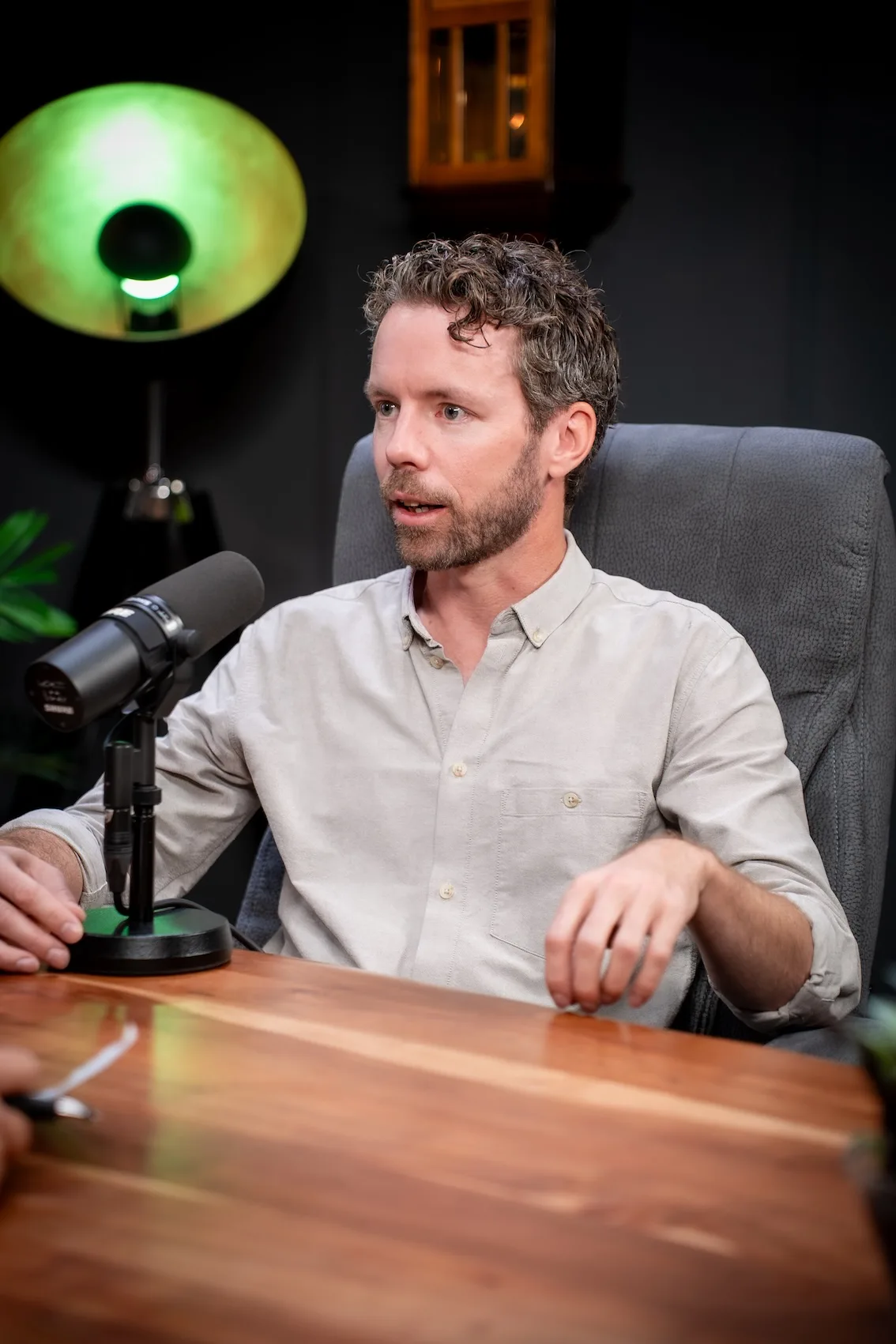
Håkan Ludvigson, CEO and cofounder Eliq, at Power Talks
One question frequently raised is whether energy companies genuinely have an incentive to help customers reduce their consumption. Ludvigson argues that the business case is clear.
If customers save 6–9% but become more satisfied and remain with their supplier for longer, the retailer can reduce the cost of repeatedly acquiring new customers through price-comparison platforms. Better digital information can also reduce the number of expensive and often frustrating calls to customer-service centers.
“Those savings come back with a really nice multiplier in terms of customers being much more loyal,” he said.
Smart meter analysis can also help retailers understand their customer portfolios more precisely. Instead of knowing only a household’s address and annual consumption, a supplier could identify customers who own electric vehicles, batteries or heat pumps, those experiencing efficiency problems and those suited to a particular tariff or flexibility service.
This makes it possible to develop more relevant products and offer them to the customers most likely to benefit.
Romania could move quickly
European smart energy markets are advancing at different speeds. The Nordic countries and the Netherlands are among the more developed markets in terms of smart meters, connected assets and digital energy services. Romania still has limited consumer access to meaningful smart meter information, even though millions of devices have already been installed.
At the same time, Ludvigson sees signs that Romania could develop rapidly. Following market liberalization, the country has moved towards a more competitive and dynamic retail environment. Competition can create the incentive for suppliers to differentiate themselves through better digital services, personalized tariffs and new customer propositions.
“I would expect a pretty fast development of the energy market over the next years,” he said.
A recent European consumer survey found that 31% of Romanian respondents wanted better access to energy data and digital tools that would help them monitor and adapt their consumption.
For Eliq, that demand indicates that the market may be ready for the next stage of digitalization: moving beyond installing smart meters and beginning to use their data for the benefit of customers.
The energy decisions we will no longer make
By 2030, households will still decide whether to buy an electric vehicle, install solar panels or invest in a battery. But they may no longer decide exactly when each device should operate.
Ludvigson expects electric vehicles and other connected assets to communicate directly with energy suppliers and respond automatically to prices and grid requirements.
A car could shift its charging time or, where vehicle-to-grid technology is available, return electricity to the system. The customer would retain overall control but would not need to manage every individual transaction.
“You will connect the electric vehicle to your energy supplier, and it will automatically listen to the supplier’s needs for flexibility,” Ludvigson predicted. “You won’t really have to worry about it.”
That may ultimately be the most important promise of smart energy technology.
The future is not a home in which consumers spend more time studying energy data. It is a home in which data, artificial intelligence and connected devices handle much of the complexity – helping people use energy when it is cheaper and cleaner, without requiring them to think about every kilowatt-hour.
The Power Talks episode featuring Håkan Ludvigson was produced in editorial partnership with Eliq.
Watch the full Power Talks episode for more insights—and subscribe to our YouTube channel:
- Read the Romanian version of the article HERE.
READ ALSO:
Op-ed // The moonshot moment for energy communities: expectations from the Citizens Energy Package
Europe has the tech. So why isn’t it a renewable superpower yet?